Custom Home Builders
Your Dream Home, Your Way!
Experience tailored living with our custom home construction services. From concept to completion, we prioritize your vision, crafting exquisite, quality homes that reflect your lifestyle. Let's build not just houses, but dream homes together.
Services
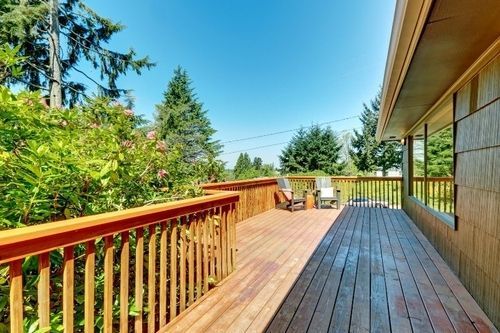
Crafting your dream space: from unique homes to stunning decks. We bring top-tier quality and personalization to every project.
Residential
Learn MoreCommercial
Learn More
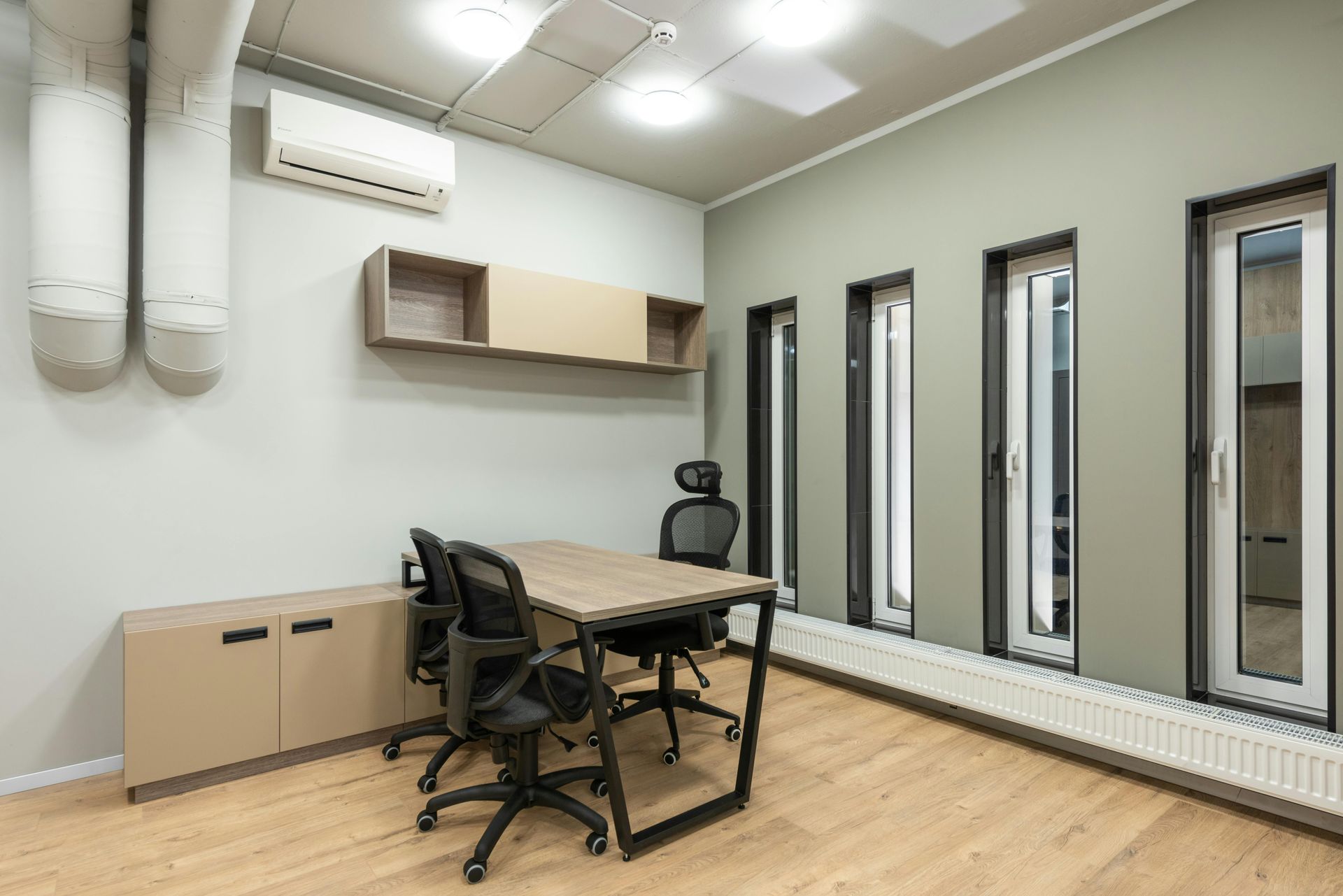
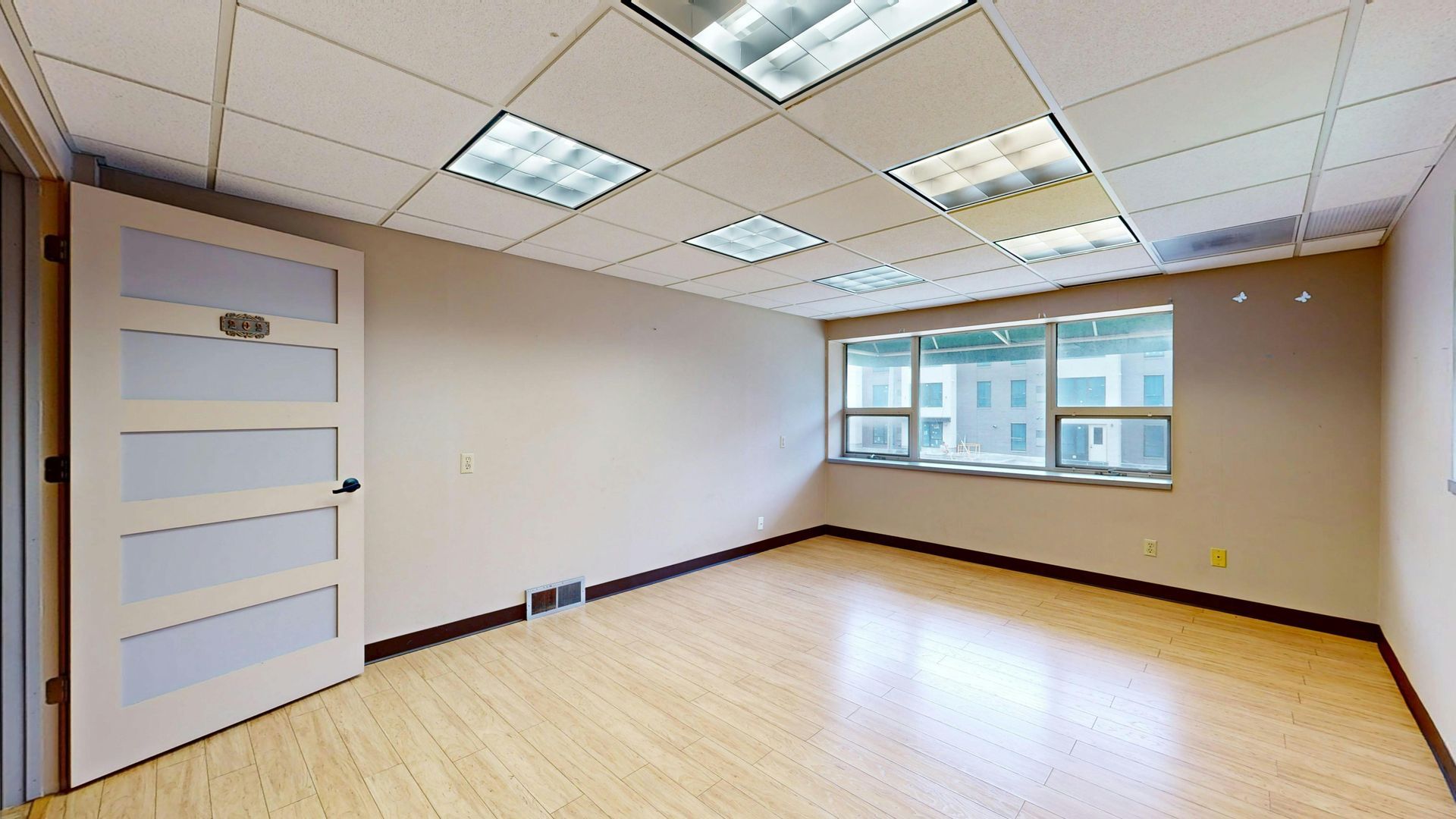
Choosing a general contractor is the most important decision you'll make for your tenant finish-out . This is the partner who will be responsible for your budget, your timeline, and the ultimate quality of your new space. Making the right choice leads to a smooth, successful project. Making the wrong one can lead to a nightmare of delays, cost overruns, and stress. To make an informed decision, you need to do your homework and ask the right questions. A trustworthy and professional contractor will welcome this due diligence and answer transparently. Here are seven critical questions you should ask every potential contractor before you sign a contract: "Are you licensed and fully insured in Texas?" Why it's important: This is a non-negotiable starting point. A valid license proves they meet state requirements. Ask for proof of their general liability and worker's compensation insurance. This protects you from liability in case of an accident or property damage on your job site. "Can you share a portfolio of similar tenant finish-out projects and a list of recent client references?" Why it's important: You want a contractor with specific experience in your type of project (e.g., retail, restaurant, office). A portfolio shows their quality of work. Speaking to references gives you firsthand insight into their communication, reliability, and how they handled challenges. "Who will be my main point of contact, and how will we communicate?" Why it's important: Clear, consistent communication is the bedrock of a successful project. You should know who your dedicated project manager is and expect a clear plan for regular updates, such as weekly meetings or progress reports. "How do you ensure the project stays on schedule and on budget?" Why it's important: This question reveals their project management process. A professional contractor will use scheduling software, provide a detailed budget, and have a clear system for tracking progress and expenses. "What is your process for handling change orders?" Why it's important: Changes are common in construction projects. You need to know how they will be handled. A reputable contractor will have a formal change order process that clearly documents the scope of the change and its impact on the cost and schedule before the work is done. "How do you ensure job site safety and cleanliness?" Why it's important: A commitment to safety reflects the contractor's professionalism and care for their team and your property. A clean and organized job site is an efficient and safe job site. "What makes you different from other contractors?" Why it's important: This open-ended question allows the contractor to talk about their values, their team's expertise, and their unique approach. At Five Mile Construction, we'd tell you about our commitment to transparency, quality materials, and our role as a true partner in our clients' success. We Welcome Your Questions We believe that trust is built through transparency. We invite you to ask us these questions and any others you may have. Ready to partner with a contractor you can count on? Contact Five Mile Construction today to start the conversation.

So, you’re ready to build out your new commercial space in Central Texas. It’s an exciting time, but between your business plan and your grand opening lies a crucial, often underestimated hurdle: the permitting and inspection process. In a booming region like the Austin-San Marcos corridor, navigating the specific requirements of each municipality can feel like trying to solve a complex maze. Failing to manage this process correctly is the number one reason for project delays. It can leave you paying rent on a space you can’t occupy while your plans sit in a review queue. But it doesn’t have to be this way. Understanding the Process While every city has its nuances, the journey from plan to approved construction generally follows these key steps: Plan Submission: Your detailed architectural and engineering plans must be submitted to the local building department. This isn't just a formality; reviewers meticulously check your plans for compliance with building codes, fire safety regulations, zoning laws, and accessibility standards like the ADA . Review and Revisions: It is common for a city reviewer to return plans with comments or required revisions. An experienced contractor anticipates these and can address them quickly. A novice can get stuck in a frustrating back-and-forth cycle. Permit Issuance: Once the plans are approved, the city issues the building permit. Only now can construction officially begin. Scheduled Inspections: The permit is not a free pass to the finish line. Throughout the construction process, city inspectors must be called out to approve critical stages of the work. This can include inspections for your foundation, framing, plumbing, electrical, and mechanical systems before they are covered up by drywall. Final Inspection: After the last coat of paint is dry, a final inspection is required to verify that the entire project was completed according to the approved plans and is safe for occupancy. Only after passing this inspection will you receive your Certificate of Occupancy—the key to officially opening your doors. The Five Mile Advantage: Your Local Guide Having a deep understanding of local jurisdictions is non-negotiable. Our team at Five Mile Construction has spent years building relationships and navigating the specific processes of cities throughout Central Texas. We know what San Marcos requires versus what Austin demands. We anticipate the common sticking points, prepare a thorough and professional submission package to minimize revisions, and manage the entire inspection schedule. We handle the red tape so you can focus on what you do best: running your business. We see managing permits and inspections not as a burden, but as a critical part of our service to ensure your project moves forward smoothly, on schedule, and without costly surprises. Ready to start your tenant finish-out with a team that knows the way? Contact Five Mile Construction today and let’s clear the path to your grand opening.

Home renovations can be a significant investment, but they can also significantly increase the value of your property. Whether you're planning to sell your home in the near future or simply want to enhance its long-term value, understanding the return on investment (ROI) of different renovations is crucial. Choosing projects that offer the highest ROI can maximize your investment and ensure your home is both beautiful and marketable. At Five Mile Construction, we've helped countless homeowners make smart renovation choices that boost their property value. We understand the local market and know which upgrades are most likely to deliver a strong return. This blog post will explore some of the home renovations that consistently provide the highest ROI, helping you make informed decisions about where to invest your money. Kitchen Remodel: The Heart of the Home and a High-Value Investment Kitchen remodels consistently rank among the top renovations for ROI. The kitchen is often considered the heart of the home, and an updated, functional, and stylish kitchen can significantly enhance a home's appeal and value. Minor Kitchen Remodel: Even a minor kitchen remodel, which might include refacing cabinets, updating countertops, installing new flooring, and upgrading appliances, can yield a substantial return, often recouping around 75-85% or more of the cost at resale. Major Kitchen Remodel: A major kitchen remodel, which may involve a complete layout change, new custom cabinetry, high-end appliances, and premium countertops, can also deliver a strong ROI, typically in the range of 50-70%. Although this is a lower percentage than a minor remodel the value added to the home will often be much higher. Key Elements: Focus on elements that buyers value most, such as: High-quality countertops: Granite, quartz, and other solid surface materials are popular choices. Updated cabinetry: Refacing or replacing cabinets can dramatically transform the look of a kitchen. Energy-efficient appliances: Stainless steel appliances are always in demand. Good lighting: A well-lit kitchen is essential. Bathroom Remodel: Adding Luxury and Functionality After kitchens, bathroom remodels offer some of the highest returns on investment. Updated bathrooms can significantly enhance a home's appeal and value, particularly in older homes. Midrange Bathroom Remodel: Updating an existing bathroom with new fixtures, a new vanity, updated flooring, and a fresh coat of paint can yield an ROI of around 60-70%. Upscale Bathroom Remodel: A more extensive remodel, which might include adding a separate shower and soaking tub, in-floor heating, or high-end finishes, can also deliver a good return, though typically lower than a midrange remodel in percentage terms. Focus on: Modern fixtures: Replace outdated faucets, showerheads, and toilets with modern, water-efficient models. Updated vanity and countertops: A new vanity and countertop can instantly refresh the look of a bathroom. Good ventilation: Ensure proper ventilation to prevent moisture problems. Lighting: Bright, well-placed lighting is essential in a bathroom. Curb Appeal Enhancements: Making a Great First Impression First impressions matter, especially when it comes to selling a home. Enhancing your home's curb appeal can significantly boost its value and attract potential buyers. Landscaping: A well-maintained and attractive landscape can add significantly to a home's value. Consider adding fresh mulch, planting flowers, trimming trees and shrubs, and ensuring the lawn is healthy and green. Exterior Painting: A fresh coat of paint can make a dramatic difference in a home's appearance. Choose colors that are appealing and complement the style of the house. New Front Door: Replacing an old or outdated front door with a new, stylish one can instantly enhance curb appeal. Steel and fiberglass doors are popular choices for their durability and energy efficiency. According to the 2023 Cost vs. Value Report by Remodeling Magazine a steel entry door replacement recoups over 100% of its cost. Garage Door Replacement: According to the same report a new garage door can recoup almost all of its cost at 102.7% making it a great choice for those looking to sell. Energy-Efficient Upgrades: Saving Money and Adding Value Energy-efficient upgrades not only reduce your utility bills but also make your home more attractive to potential buyers. High-Performance Windows: Replacing old, drafty windows with energy-efficient models can improve comfort, reduce noise, and lower energy costs. Insulation: Adding insulation to attics, walls, and crawl spaces can significantly improve energy efficiency. HVAC Upgrades: Installing a new, high-efficiency furnace or air conditioner can reduce energy consumption and improve indoor air quality. Solar Panels: Adding solar panels can significantly reduce or even eliminate your electricity bills and, in many areas, is becoming an increasingly desirable feature for homebuyers. Deck Addition Outdoor living spaces have become increasingly popular. Adding a deck provides a great space for entertaining guests and enjoying nice weather. According to Remodeling Magazine , a wood deck addition can recoup over 100% of its cost. Five Mile Construction: Maximizing Your Renovation ROI At Five Mile Construction, we understand that your home is one of your most significant investments. We're committed to helping you make smart renovation choices that enhance your home's value, beauty, and functionality. Our team will work closely with you to: Assess Your Needs and Goals: We'll discuss your vision for your home, your budget, and your desired ROI. Recommend High-Value Renovations: We'll suggest renovations that are most likely to deliver a strong return on investment in your local market. Develop a Detailed Plan: We'll create a comprehensive plan that outlines the scope of work, budget, and timeline. Expert Craftsmanship: Our skilled craftsmen will execute your renovation project to the highest standards, ensuring quality and durability. Contact us today to discuss your renovation plans and learn how we can help you maximize your ROI. Let's build value into your home together!

Embarking on a construction project, whether it's new home construction or a tenant finish out , is a complex undertaking with numerous moving parts. Amidst the excitement of bringing your vision to life, it's easy to underestimate the crucial role of a detailed construction timeline. A well-crafted timeline is more than just a schedule of dates; it's the roadmap that guides your project from inception to successful completion, ensuring that everything stays on track and within budget. At Five Mile Construction, we understand that a detailed timeline is the cornerstone of a smooth and efficient construction process. We've witnessed firsthand how meticulous planning and scheduling can prevent costly delays, minimize disruptions, and ultimately deliver a superior outcome. This blog post will delve into the importance of a detailed construction timeline, exploring how it benefits both homeowners and contractors and contributes to a positive construction experience. Clarity and Transparency: Setting Expectations for Everyone Involved A detailed construction timeline provides clarity and transparency for all stakeholders, including the homeowner, the contractor, subcontractors, and suppliers. Shared Understanding : The timeline serves as a shared document that outlines the project's key milestones, deadlines, and the sequence of activities. This ensures that everyone is on the same page and understands their roles and responsibilities. Realistic Expectations : A well-defined timeline sets realistic expectations for the project's duration, helping to manage expectations and prevent misunderstandings. Progress Tracking : The timeline provides a framework for tracking progress and identifying any potential delays early on. Efficient Resource Management: Optimizing Time and Materials A detailed timeline is essential for efficient resource management, helping to optimize the use of time, labor, and materials. Labor Scheduling : The timeline helps to schedule subcontractors and work crews effectively, ensuring that the right people are on-site at the right time. Material Procurement : The timeline informs material ordering and delivery schedules, minimizing downtime waiting for materials to arrive. It also helps ensure materials are ordered far enough in advance to account for any shipping delays. Equipment Rental : The timeline helps to coordinate the rental of equipment, such as scaffolding or heavy machinery, ensuring it's available when needed and returned promptly to avoid unnecessary rental costs. Cost Control: Staying Within Budget Delays often lead to increased costs. A detailed timeline helps to prevent delays and keep the project within budget. Minimized Labor Costs : By ensuring that work progresses efficiently, the timeline helps to minimize labor costs associated with downtime or rework. Reduced Material Waste : Proper scheduling helps to prevent materials from being damaged or নষ্ট (nashto - ruined in Bengali) due to prolonged storage or exposure to the elements. Avoidance of Rush Charges : A well-planned timeline reduces the need for rush orders on materials or expedited shipping, which can add significant costs. Proactive Problem Solving: Identifying and Addressing Potential Delays A detailed timeline allows for proactive problem-solving by identifying potential bottlenecks and challenges early on. Early Identification of Risks : The timeline helps to identify potential risks to the project schedule, such as long lead times for materials or potential weather delays. Contingency Planning : A well-crafted timeline includes contingency time to address unforeseen issues without derailing the entire project. Timely Decision-Making : The timeline provides a framework for making timely decisions, preventing delays caused by prolonged deliberation. Improved Communication and Collaboration A detailed timeline fosters better communication and collaboration among all project stakeholders. Coordination of Trades : The timeline helps to coordinate the work of different subcontractors, ensuring that their activities are properly sequenced and don't conflict with one another. Regular Updates : The timeline serves as a basis for regular progress updates to the homeowner, keeping them informed of the project's status. Accountability : The timeline establishes clear accountability for each task and deadline. Quality Assurance: Ensuring a Superior Outcome A well-managed timeline contributes to the overall quality of the construction project. Sufficient Time for Each Task : The timeline allocates adequate time for each task to be completed properly, without rushing or cutting corners. Proper Sequencing : The timeline ensures that tasks are performed in the correct order, preventing rework and ensuring the integrity of the construction. Inspection Scheduling : The timeline helps coordinate inspections with the building department. Five Mile Construction: Committed to Timely Project Delivery At Five Mile Construction, we understand that your time and investment are valuable. We're committed to delivering projects on time and within budget, and a detailed construction timeline is a key tool in achieving that goal. Our experienced project managers work closely with clients to develop comprehensive timelines that account for every detail, from permitting and material procurement to construction and final inspections. We utilize industry-leading project management software to track progress, manage resources, and communicate effectively with all stakeholders. Contact us today to discuss your construction project and learn how our commitment to detailed planning and timely execution can benefit you. Let's build your vision together, on schedule and with the highest level of quality and professionalism!

Summer can be a productive time for construction projects, with long daylight hours and generally favorable weather. However, the intense heat can also pose significant challenges for construction crews and impact the quality of work if not properly managed. Working safely and efficiently in hot weather requires careful planning, proactive measures, and a commitment to worker well-being. At Five Mile Construction, we have extensive experience managing construction projects during the summer months. We understand the challenges that heat presents and have developed strategies to mitigate its impact, ensuring that our projects stay on schedule and our workers remain safe and productive. This blog post shares our expert tips for beating the heat and successfully managing construction projects during the summer. Start Early, End Early: Adjusting Work Schedules One of the most effective ways to combat the summer heat is to adjust work schedules to avoid the hottest part of the day. Early Starts : Begin work as early as possible, ideally before sunrise, to take advantage of the cooler morning temperatures. Extended Breaks : Implement longer and more frequent breaks during the hottest hours of the afternoon. Shorter Workdays : Consider shortening the workday, ending earlier in the afternoon when temperatures peak. Shifting Schedules : If possible, shift work schedules to evenings or nights when temperatures are cooler. Hydration is Key: Preventing Heat-Related Illnesses Dehydration is a serious risk during summer construction. It's crucial to ensure that workers have access to plenty of cool drinking water throughout the day. Ample Water Supply : Provide an abundant supply of cool, fresh drinking water at the job site. Encourage Regular Hydration : Remind workers to drink water frequently, even if they don't feel thirsty. Aim for small sips throughout the day rather than large amounts infrequently. Electrolyte Replacement : Consider providing electrolyte drinks or supplements to help replenish lost salts and minerals. Educate Workers : Train workers on the signs and symptoms of heat-related illnesses, such as heat exhaustion and heat stroke, and emphasize the importance of hydration. Provide Shade and Cooling: Creating a More Comfortable Work Environment Providing shade and opportunities for cooling down can significantly improve worker comfort and productivity. Temporary Shade Structures : Erect temporary shade structures, such as canopies or tarps, over work areas. Cooling Stations : Set up designated cooling stations with fans, misters, or even portable air conditioners. Rest Areas : Provide shaded rest areas where workers can take breaks and cool down. Ventilation : Ensure adequate ventilation in enclosed work areas. Acclimatization: Gradual Adjustment to Heat Acclimatization is the process of gradually adapting to working in hot conditions. It's especially important for new workers or those returning after a period of absence. Gradual Increase in Workload : Gradually increase the workload and exposure to heat over a period of 7-14 days. Monitor Workers : Pay close attention to workers during the acclimatization period, watching for signs of heat stress. Appropriate Clothing and Gear: Protection from the Sun Wearing appropriate clothing and using protective gear can help workers stay cool and protected from the sun's harmful rays. Light-Colored Clothing : Encourage workers to wear light-colored, loose-fitting clothing made from breathable fabrics like cotton. Hats and Sun Protection : Provide wide-brimmed hats to protect the face, neck, and ears from the sun. Sunscreen : Make sunscreen readily available and encourage its use. Cooling Vests : Consider providing cooling vests or bandanas for workers in extreme heat conditions. Modify Work Practices: Adjusting to the Heat Certain construction tasks may need to be modified or rescheduled to minimize heat exposure. Concrete Pours : Schedule concrete pours for early morning or late evening to prevent rapid drying and cracking. Asphalt Work : Similar to concrete, asphalt work should be done during cooler parts of the day. Roofing Work : Roofing can be extremely hot in the summer. Schedule this type of work for cooler parts of the day and provide ample shade and hydration for workers. Heavy Lifting : Limit strenuous activities during the hottest part of the day. Monitor Weather Conditions Stay informed about weather forecasts and heat advisories. Heat Index : Pay attention to the heat index, which combines temperature and humidity to provide a more accurate measure of how hot it feels. Adjust Schedules : Be prepared to adjust work schedules or implement additional safety measures based on weather conditions and heat advisories. Emergency Preparedness Have a plan in place for dealing with heat-related illnesses. First Aid Training : Ensure that supervisors and key personnel are trained in first aid and know how to recognize and respond to heat-related illnesses. Emergency Contacts : Keep a list of emergency contacts readily available. Cooling Supplies : Have ice packs, cold compresses, and other cooling supplies on hand. Five Mile Construction: Prioritizing Safety and Efficiency in All Seasons At Five Mile Construction, we're committed to the safety and well-being of our workers, especially during the challenging summer months. We implement comprehensive heat safety protocols on all our job sites, including: Heat Safety Training : We provide regular training to our workers on heat stress prevention, recognition, and response. Acclimatization Programs : We implement acclimatization procedures for new workers and those returning from breaks. On-Site Monitoring : Our supervisors closely monitor weather conditions and worker well-being throughout the day. Flexible Scheduling : We adjust work schedules as needed to minimize heat exposure. Ample Hydration and Shade : We ensure that workers have access to plenty of cool drinking water and shaded rest areas. Contact us today to discuss your summer construction project. Let us help you beat the heat and deliver a successful project, safely and efficiently!